
 Quick
QuickQuote

 Quick
Quick
In fabric doll production, material choice is one of those things that sounds simple on paper but becomes very practical once you look at real manufacturing work. A doll is not only about shape or design on a drawing. Once it moves into Fabric Doll Wholesale production, everything starts to depend on how the fabric behaves when it is cut, stitched, filled, and handled again and again.
Different factories and Fabric Doll Supplier channels tend to work with a few stable fabric types, not because options are limited, but because production needs something that behaves in a predictable way. When orders move in batches, even a small change in fabric feel can shift the whole production rhythm.
In many sourcing routines, including cooperation patterns linked with Taizhou Baijun Import and Export Co., Ltd. , fabric selection is treated more like an ongoing adjustment than a fixed decision made once at the beginning.
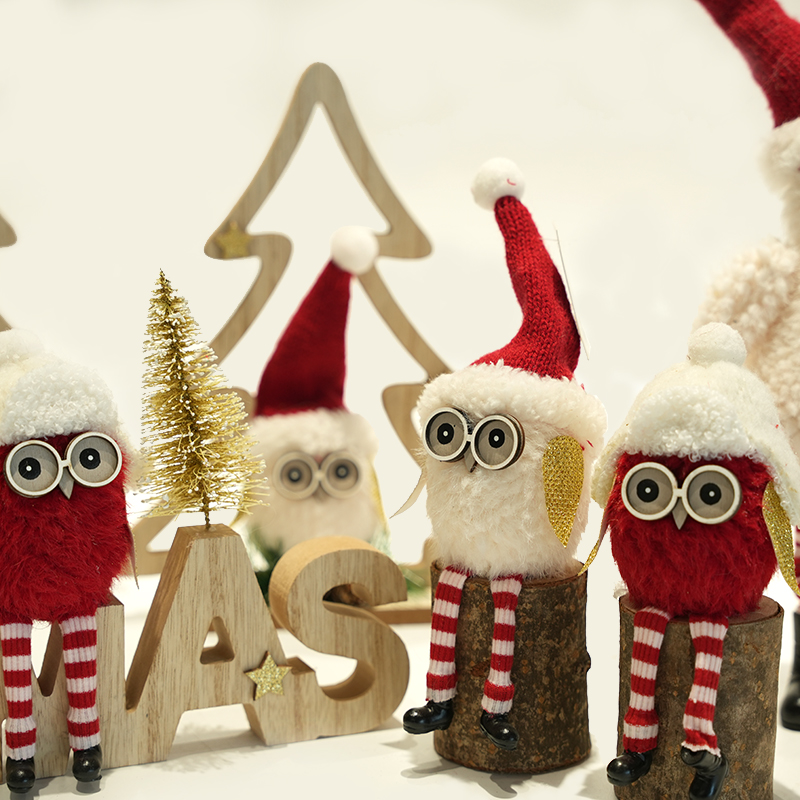
If you look at a fabric doll closely, what you feel in your hand is really the result of several material decisions made earlier in the process. The surface softness, the way seams hold, even how the shape stays after filling, all come back to fabric choice.
In Fabric Doll Wholesale work, fabric is usually checked very early, before large scale cutting starts. It is not only about appearance. A material might look fine in samples but behave differently once it goes through stitching lines or filling pressure.
Fabric Doll Supplier teams often play a practical role here. They provide fabric options that already match certain production habits, so manufacturers do not need to adjust too many steps later in the line.
In real production, fabric decisions rarely sit alone. They are tied directly to how the doll will be built.
Some things that are usually checked in a very practical way:
Fabric Doll Wholesale production often depends on repeating the same steps many times. So even small differences in fabric behavior can show up across a whole batch.
This is why Fabric Doll Supplier coordination matters. It is not just about sending fabric rolls, but making sure what arrives matches the way production lines are already set up.
Cotton is one of those materials that shows up often in fabric dolls because it feels familiar and behaves in a straightforward way during production.
In daily factory use, cotton fabric is often chosen when:
During production, cotton is usually easy to cut and stitch. It does not create too many surprises on the machine side, which is one reason it appears frequently in Fabric Doll Wholesale orders.
After filling, cotton based dolls usually feel light and flexible. That makes them suitable for everyday handling without needing extra structural reinforcement.
Plush fabric is a different story. The moment you touch it, the surface already feels more layered compared to cotton. In manufacturing, it also behaves a bit differently.
Plush is often used when the doll design needs a more visible surface presence. It creates a fuller look, especially in shapes where softness is part of the design idea.
In production use, plush fabric requires a bit more attention during stitching. The surface direction can shift slightly depending on handling, so alignment becomes part of the routine checks.
Fabric Doll Supplier coordination becomes useful here because plush material can vary in density, and that variation may affect how the final product looks when production is scaled.
Polyester fabric is often used when consistency across multiple batches is important. It tends to hold its surface shape without changing too much during normal handling.
In Fabric Doll Wholesale systems, polyester is usually selected for:
From a manufacturing point of view, polyester is predictable. Once the process is set, it behaves in a way that is easier to repeat across different batches.
That is one reason Fabric Doll Supplier networks often keep polyester options ready for regular production cycles.
Linen style fabrics do not appear in every doll category, but they have a place in certain design directions. The texture is more structured and slightly more visible, which changes how the doll is perceived.
These materials are usually used when:
In production, linen like fabric is less flexible, so shaping needs to be planned a bit more carefully. It does not stretch easily, which can actually help maintain outline stability in some designs.
Texture is one of those things people notice without always being able to describe it clearly. In fabric dolls, it quietly affects how the product feels in hand and how it looks under light.
In real use, texture differences show up like this:
Fabric Doll Wholesale production often adjusts texture based on where the doll will end up being used rather than focusing only on appearance during sampling.
Blended fabrics appear when one material alone cannot cover all production needs. Instead of relying on a single type, manufacturers combine properties from different fabrics.
Typical reasons for blending include:
| Fabric Blend Type | Main Purpose | Handling Behavior | Production Use |
|---|---|---|---|
| Cotton Blend | Balanced feel | Easy cutting and sewing | General body structure |
| Polyester Blend | Stable shape | Consistent surface | Repeated production runs |
| Plush Blend | Soft surface | Smooth hand feel | Decorative styles |
| Mixed Texture | Controlled variation | Adjustable handling | Custom designs |
Blending is often less about creativity and more about solving small production problems that appear during scaling.
Fabric choice directly changes how a doll behaves during assembly. Once stitching starts, the material either cooperates smoothly or needs small adjustments along the way.
Some practical observations from production lines:
These differences may not be obvious from a sample piece, but they become clearer once production volume increases.
In real production planning, fabric is usually matched with the purpose of the doll rather than just its appearance.
For example:
Fabric Doll Supplier input is often used at this stage to adjust material choices before production starts, avoiding changes later in the workflow.
Fabric selection is rarely based on a single point. It usually comes from a mix of small practical decisions.
Common considerations include:
Each factor adds a small piece to the final decision.
Even after production, fabric does not stay completely unchanged. It reacts slowly to its environment over time.
Some typical changes include:
These changes are usually subtle and develop slowly rather than suddenly.
Fabric selection remains a quiet but constant factor in fabric doll production. It influences how the product is made, how it feels during use, and how it changes over time. From cotton and plush to polyester, linen like materials, and blended fabrics, each option brings its own behavior into the production line.
In Fabric Doll Wholesale systems, material choice is not a single step but part of an ongoing adjustment process that connects manufacturing, supplier coordination, and real use conditions. Fabric Doll Supplier involvement helps keep this process stable while allowing enough flexibility for different product directions.
Over time, these material decisions shape how fabric dolls fit into everyday environments, not through sudden changes, but through small and consistent differences in texture, structure, and handling experience.

+86-15325595916
+86-0576-8485 0999
+86-0576-8486 8387
No. 2, Shachuan Road, Shabu Town, Huangyan District, Taizhou City, Zhejiang Province, China
Copyright © Taizhou Baijun Import and Export Co., Ltd. All Rights Reserved

OEM Custom Wood Craft Factory
 English
 中文简体
中文简体 Deutsch
 Español