
 Quick
QuickQuote

 Quick
Quick
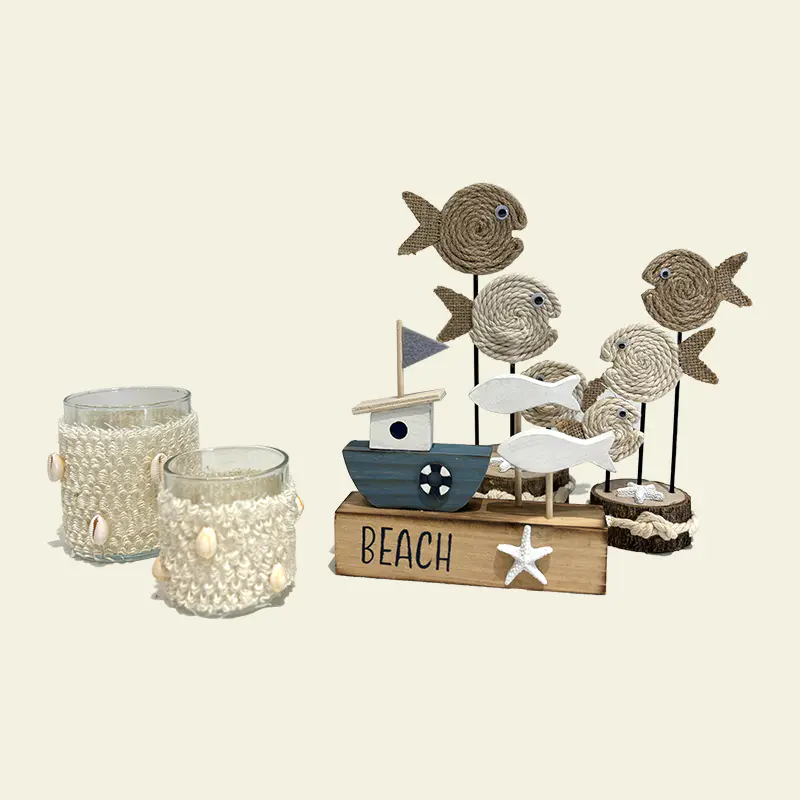
Small decorative objects often have a surprising influence on the atmosphere of a home. A carefully arranged tabletop can make a living room feel warmer, a dining area more inviting, or an office more personalized. However, many homeowners discover that adding more decorations does not always improve the overall appearance. The placement, proportion, and combination of decorative pieces often determine whether a tabletop looks thoughtfully designed or visually crowded.
Many interior designers focus on balance, texture, height variation, and space during tabletop styling. A successful display usually combines several elements while allowing each item to maintain its own visual identity.
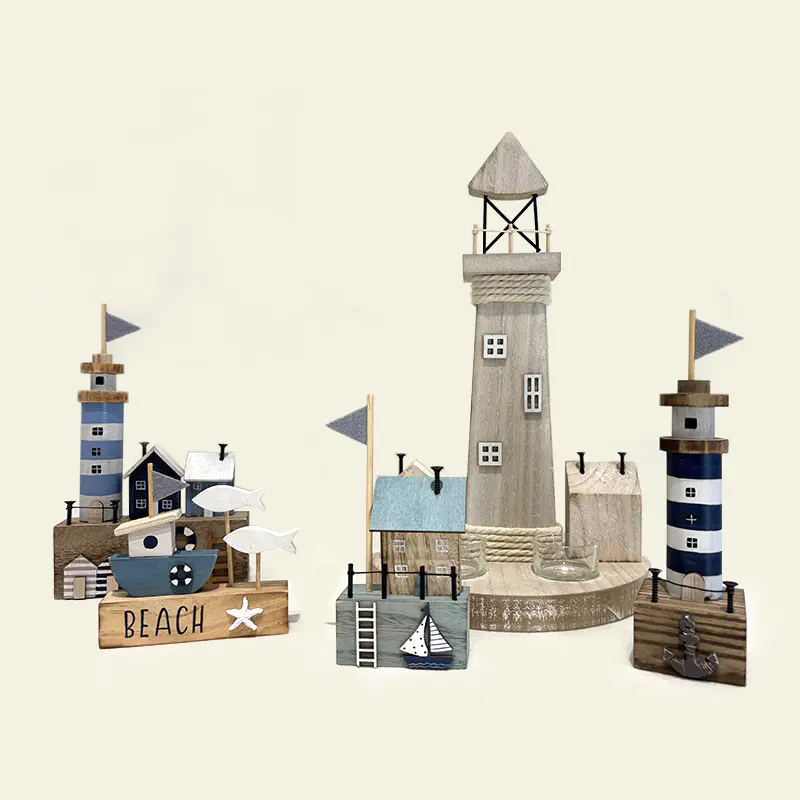
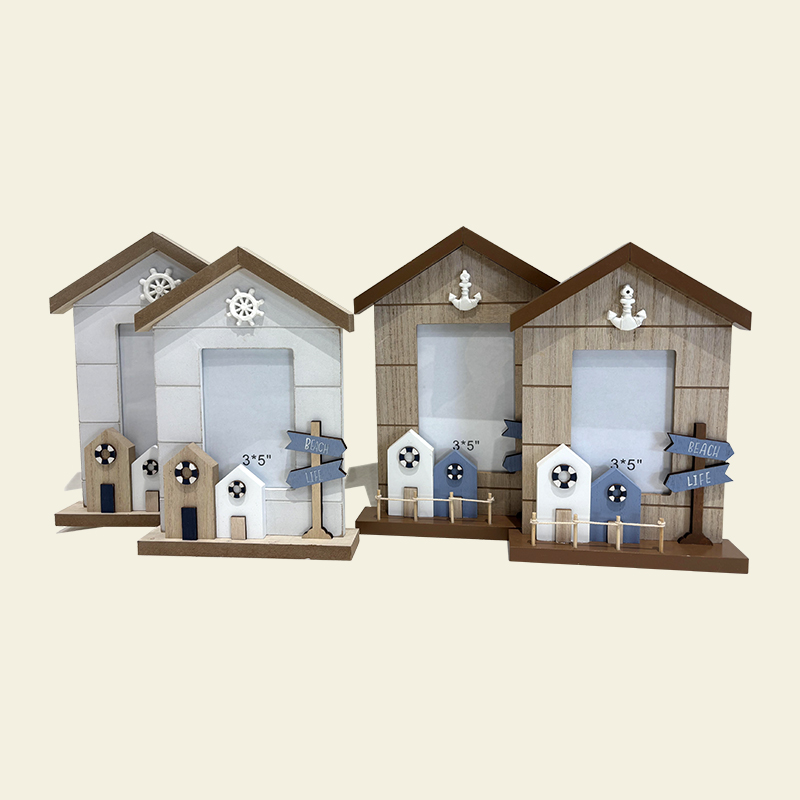
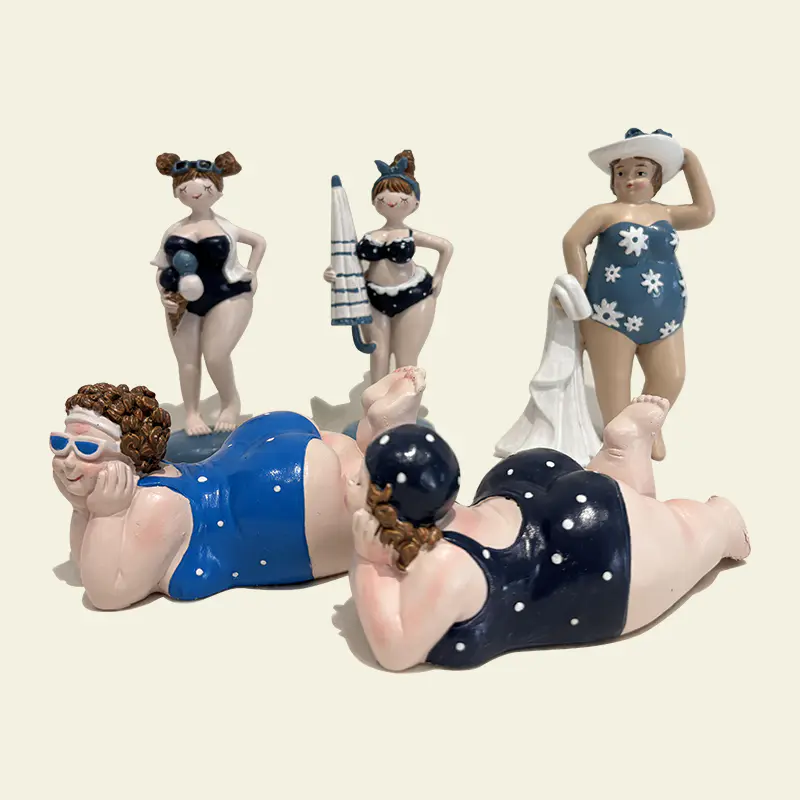
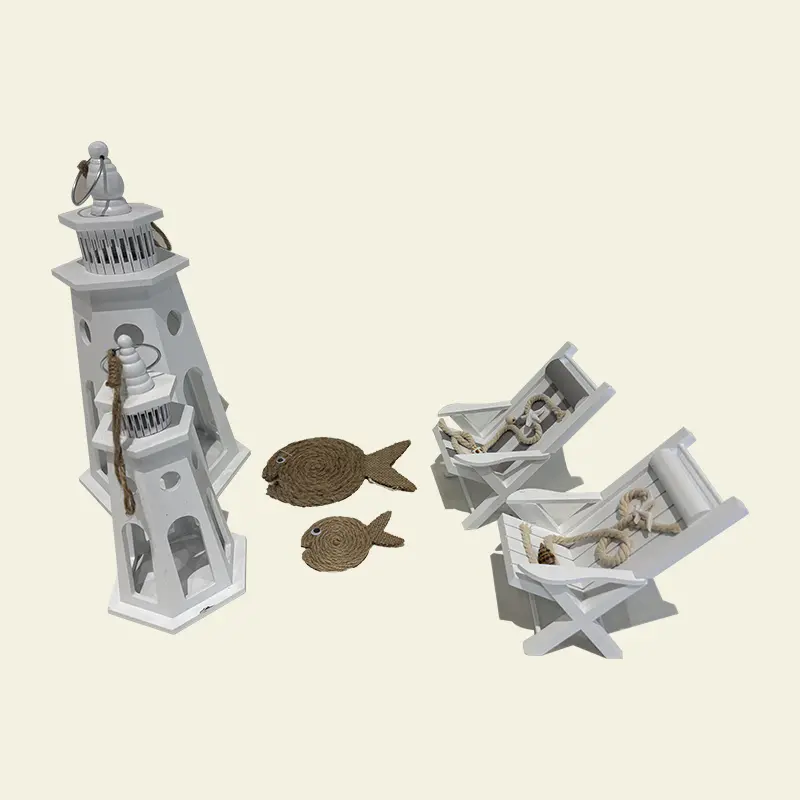
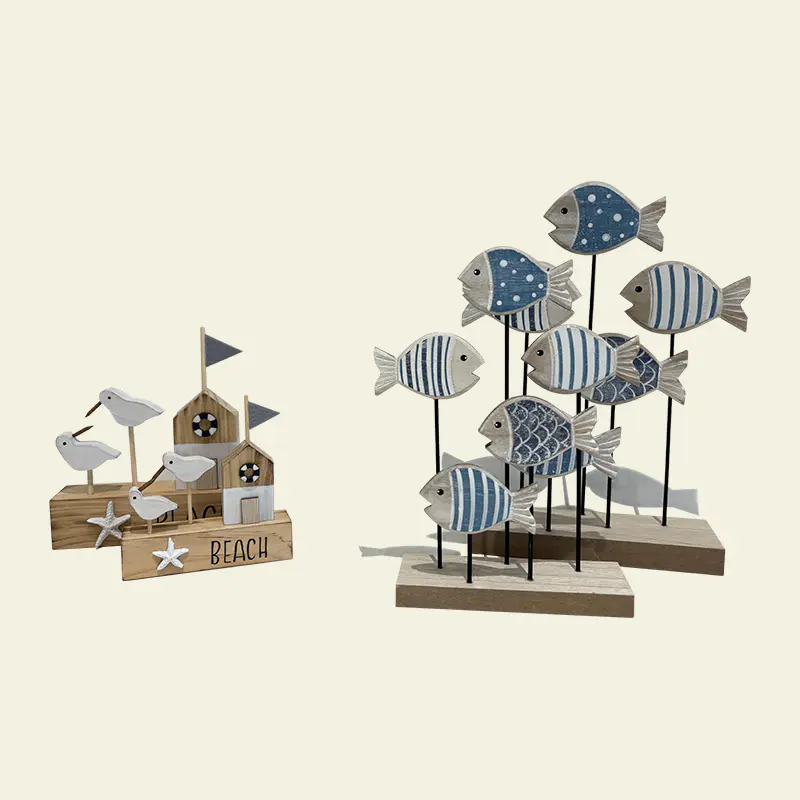
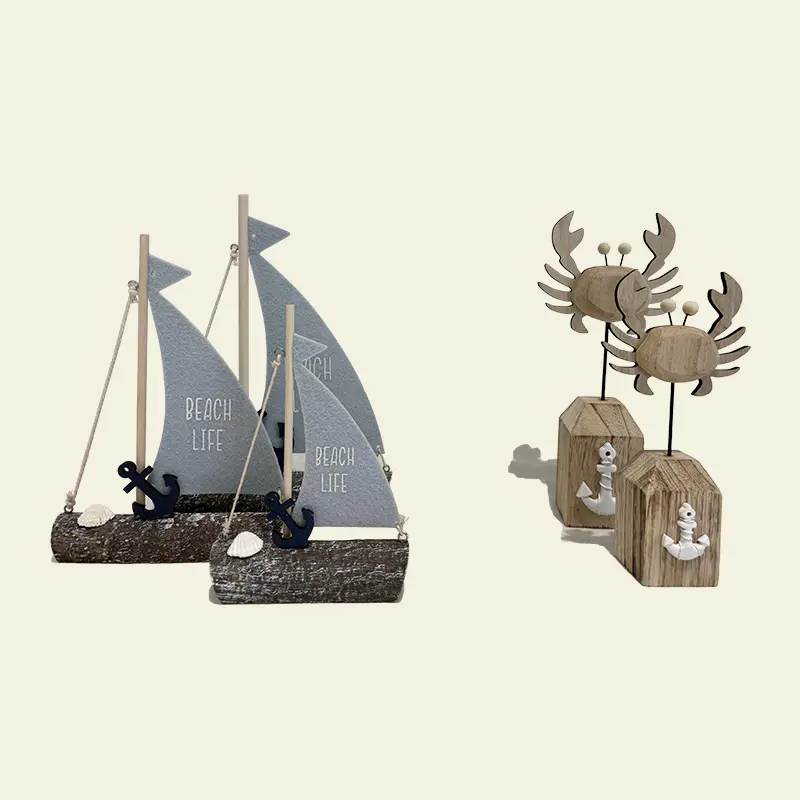
This raises an important question: What hidden styling mistakes prevent Home Decoration Wooden Tabletop Ornaments from becoming attractive focal points? Understanding these common issues helps homeowners create displays that feel natural, organized, and connected with their interior style.
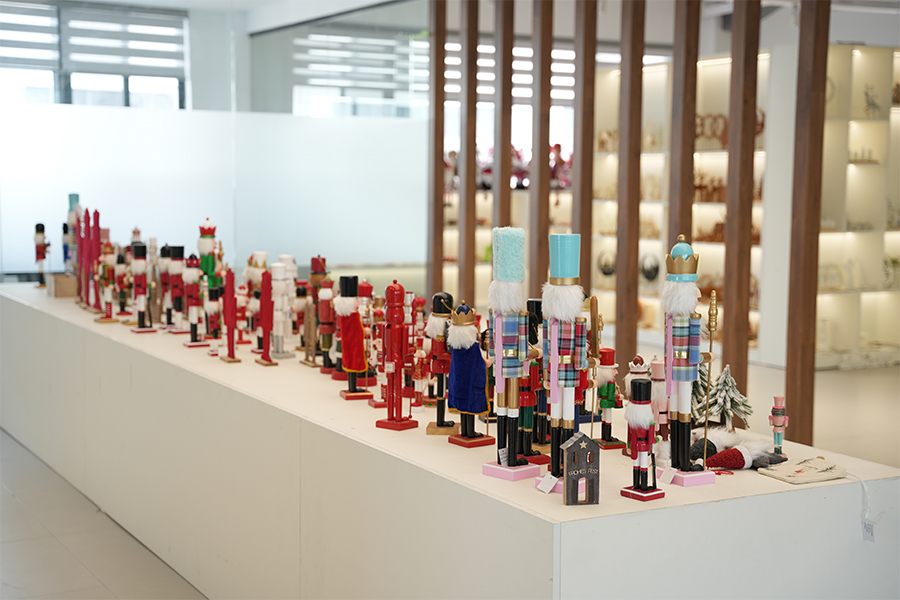
Wooden ornaments often contain unique grain patterns, carved textures, and handcrafted surfaces. Placing too many pieces together can hide these details and make the tabletop appear messy.
A decorative surface needs breathing space. Empty areas allow each ornament to receive attention and create a cleaner visual effect.
A balanced arrangement makes wooden decorations appear more intentional rather than simply placed on a surface.
One common mistake involves arranging ornaments with similar heights. A tabletop filled with items at the same level can look flat and lack visual movement.
Professional styling often uses different heights to create layers. A combination of tall, medium, and small objects helps guide the viewer’s attention across the display.
Effective combinations may include:
Different heights create depth while allowing each piece to remain visible.
Scale plays an important role in tabletop decoration. A large wooden ornament may overwhelm a small side table, while tiny decorations may disappear on a spacious dining table.
The right proportion allows wooden decorations to complement furniture instead of competing with it.
Natural wood offers many shades, from light pine to deep walnut. Different tones can create a rich layered appearance, but random combinations may reduce harmony.
The goal is not identical wood colors but visual connection.
Helpful combinations include:
Different wood finishes can work together successfully when the overall atmosphere remains consistent.
A tabletop arrangement made entirely from smooth wooden objects may appear visually limited. Combining different materials creates stronger contrast and a more dynamic display.
Wooden ornaments work well with:
For example, a carved wooden ornament beside a soft textile runner and a glass container can create a balanced combination of warm and reflective surfaces.
Beautiful decoration should still support everyday living. Some homeowners create attractive displays that become inconvenient because they block frequently used areas.
Common placement problems include:
Thoughtful placement allows decorative pieces to improve the home environment without reducing practicality.
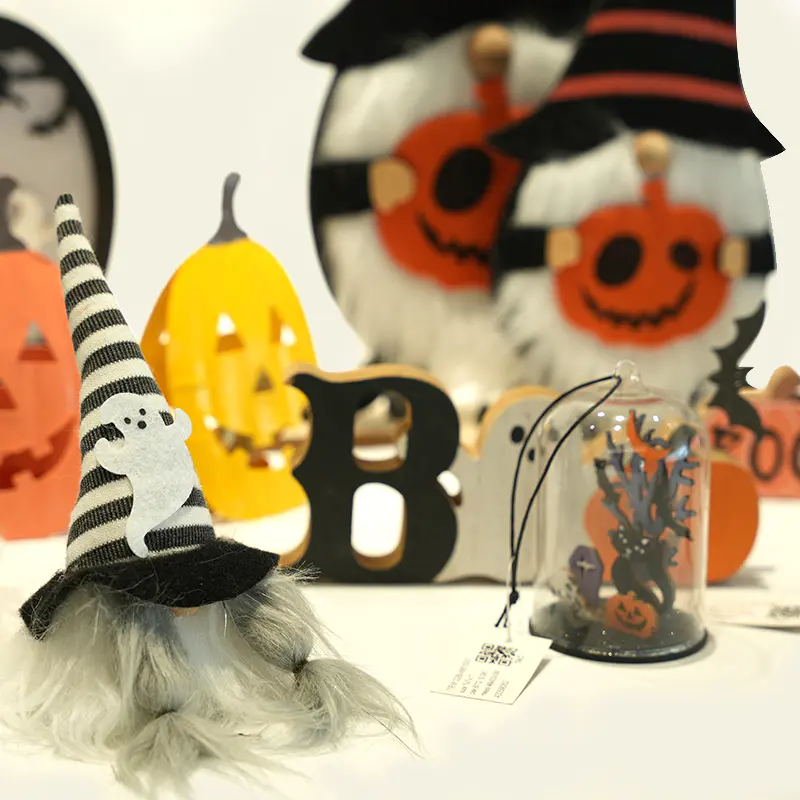
Wooden ornaments are available in many styles, including rustic, modern, farmhouse, minimalist, and seasonal designs. A mismatch between ornament style and room design may create an unbalanced appearance.
The ideal decorative choices support the existing personality of the room.
The appearance of wooden tabletop ornaments depends heavily on material quality and finishing methods. Poor surface treatment may affect color stability, texture, and long-term appearance.
Reliable finishing helps preserve natural grain and protects decorative surfaces during daily use.
Wooden tabletop ornaments become more meaningful through customization. Instead of serving only as decorative objects, personalized pieces can represent family memories, hobbies, or special moments.
Popular customization ideas include:
A personalized wooden ornament can become both a decoration and a meaningful household item.
A successful wooden decoration arrangement does not depend on having many accessories. It relies on thoughtful selection, proper spacing, and a clear visual direction.
Helpful styling approaches include:
Decorating a tabletop is not simply about adding objects to an empty surface. The arrangement should reflect the personality of the home while maintaining comfort and practicality.
Home Decoration Wooden Tabletop Ornaments continue attracting homeowners because they combine natural beauty, handcrafted character, and flexible styling possibilities. Avoiding common placement mistakes allows these wooden pieces to become attractive highlights that enhance everyday living spaces.

+86-15325595916
+86-0576-8485 0999
+86-0576-8486 8387
No. 2, Shachuan Road, Shabu Town, Huangyan District, Taizhou City, Zhejiang Province, China
Copyright © Taizhou Baijun Import and Export Co., Ltd. All Rights Reserved

OEM Custom Wood Craft Factory
 English
 中文简体
中文简体 Deutsch
 Español