
 Quick
QuickQuote

 Quick
Quick
Demand for personalized handmade products continues to rise across holiday markets, gift shops, and online craft platforms. A Craft Designer To Draw Custom now plays a more important role than ever in shaping seasonal product identity. Buyers are no longer satisfied with generic patterns; attention has shifted toward emotional expression, visual storytelling, and lifestyle alignment.
Holiday shoppers often evaluate craft items based on how well they reflect personal taste. Instead of focusing on production origin, interest lies in whether a design feels meaningful or memorable.
Common personalization requests include:
Custom craft work now frequently uses vector-based design systems, allowing precise adjustments before production. Typical digital drawing accuracy can reach 0.1 mm alignment, which supports detailed engraving and multi-layer cutting results.
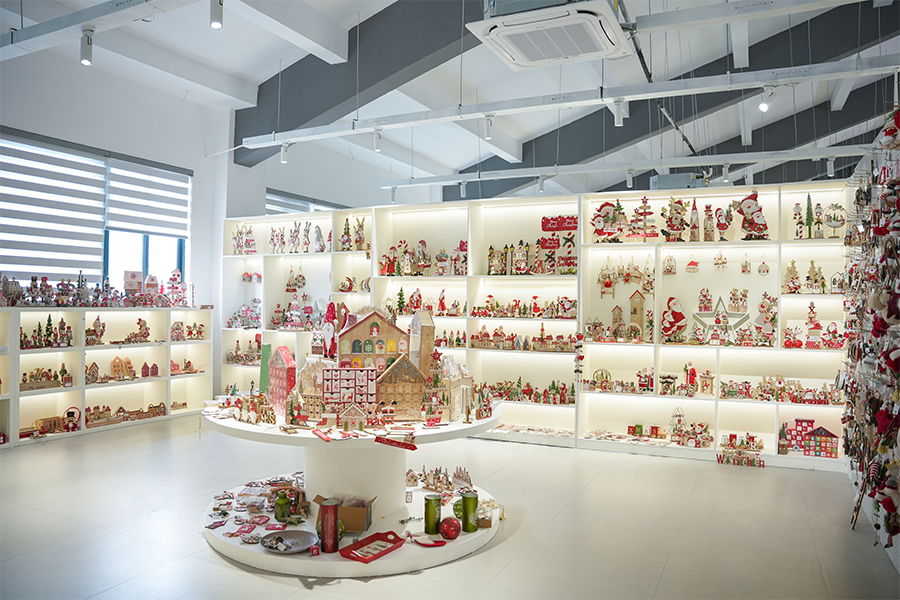
A Craft Designer To Draw Custom usually works with digital tools that translate sketches into production-ready files. These files guide laser cutting, CNC carving, or UV printing processes.
Standard workflow stages often include:
Material compatibility also influences design structure. For example, wooden crafts typically require 3 mm to 10 mm thickness adaptation, while acrylic designs often need edge-polishing consideration to avoid visual distortion.
Custom designs are strongly connected to emotional gifting behavior. Many buyers prefer items that represent relationships rather than decorative trends.
Popular emotional design themes include:
Market behavior analysis shows that personalized crafts are often purchased in small batches but with higher per-item value compared to standard decorations. This reflects a shift toward meaning-driven consumption rather than volume-based shopping.
Holiday seasons amplify demand for custom-designed crafts. Orders typically increase in the weeks before Christmas, with many buyers requesting fast-turnaround design adjustments.
Typical seasonal production characteristics:
Craft designers often prepare flexible template libraries to speed up revisions. These templates include modular shapes, interchangeable typography styles, and scalable ornament outlines.
Custom craft design is heavily influenced by material selection. Each material introduces different visual and structural limitations.
Common material considerations include:
Understanding material behavior helps craft designers adjust artwork before production, reducing rejection rates and improving final output consistency.
Customers purchasing custom crafts expect more than visual appeal. Functionality, durability, and presentation also matter in decision-making.
Key expectations include:
Many buyers also value preview confirmation before production begins, ensuring the final product aligns with expectations.
Modern craft design relies heavily on digital systems. Software tools allow precise control over curves, spacing, and scaling, making it possible to reproduce complex artwork on physical materials.
Advanced features often used include:
These tools reduce manual errors and allow faster adaptation of customer-specific requests.
Custom craft design has become a central driver in seasonal product markets, especially during Christmas gifting cycles. A Craft Designer To Draw Custom is no longer limited to decorative creation but functions as a bridge between personal expression and physical product manufacturing. Growing interest in meaningful gifts, combined with flexible digital design systems, continues to reshape expectations for personalized craft products.

+86-15325595916
+86-0576-8485 0999
+86-0576-8486 8387
No. 2, Shachuan Road, Shabu Town, Huangyan District, Taizhou City, Zhejiang Province, China
Copyright © Taizhou Baijun Import and Export Co., Ltd. All Rights Reserved

OEM Custom Wood Craft Factory
 English
 中文简体
中文简体 Deutsch
 Español